

Last week, India’s leading payment nodal agency released an important guideline pertaining to the usage of UPI APIs by ecosystem participants (banks, PSPs, third-party apps, etc.). As UPI continues to grow at an unprecedented scale, these guidelines focus on enhancing system resilience, fairness, and compliance across PSPs, acquiring banks, and third-party app providers.The circular outlines strict controls around API usage, retry logic, system load management, and auditability, thereby placing new expectations on operational discipline and transparency. For banks, we should consider these guidelines as a call to adopt deeper visibility and control over their digital transaction infrastructure.
The UPI Scale: A Complex, Evolving Organism
UPI is now the backbone of digital payments in India with over 18 billion monthly transactions and integrations across hundreds of banks, fintechs, and merchants.But with that scale comes complexity.
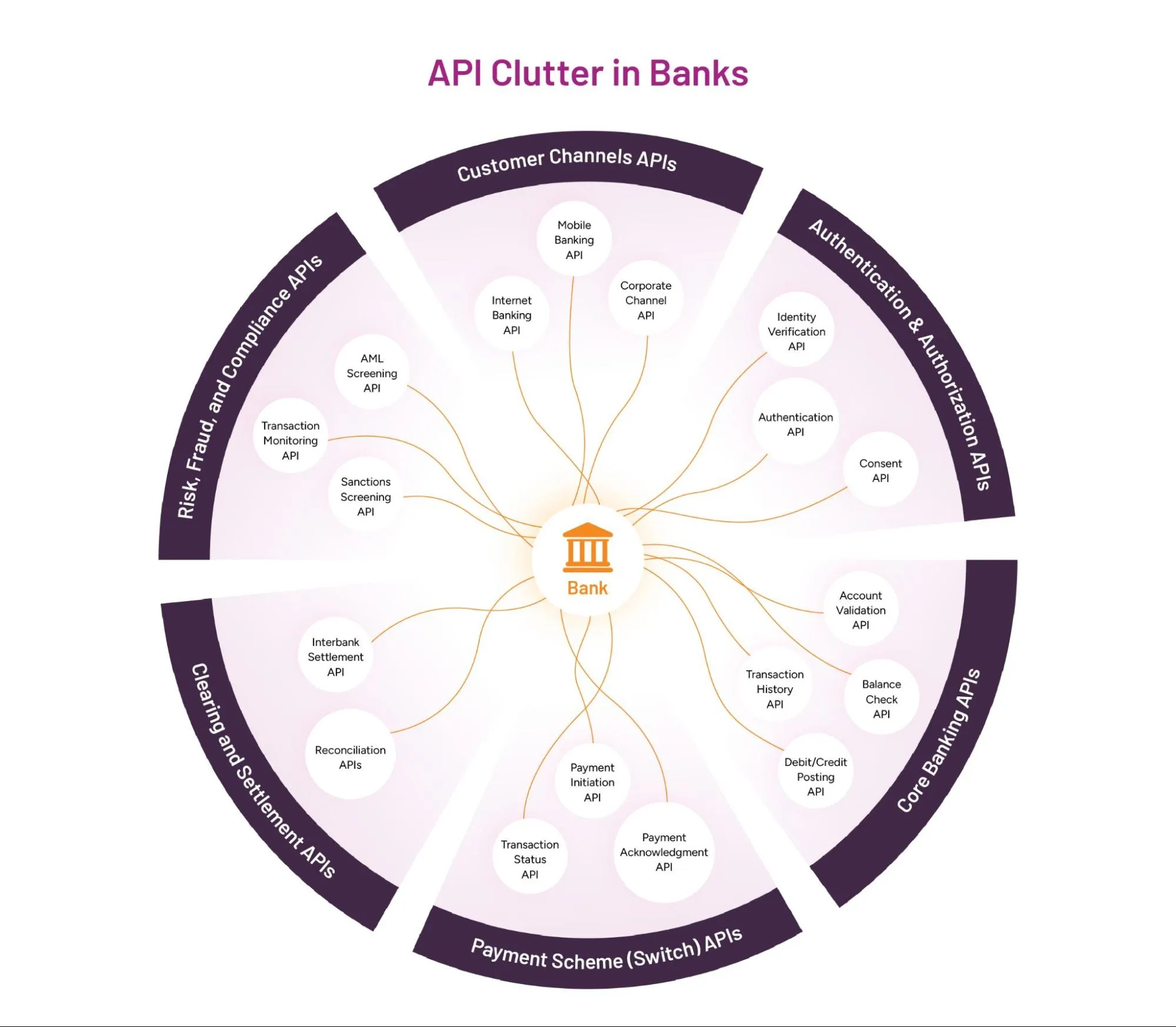
- Every balance check, transaction status retry, and account key lookup adds systemic load.
- Multiple third-party applications interacting via open APIs increase points of failure.
- Without clear visibility, minor glitches can snowball into outages, missed SLAs, or regulatory non-compliance.
Key Instant Payment Guidelines and Where Observability Comes In
The latest circular calls for:
- Rate-limiting and retry restrictions
- Separation of system-initiated vs user-initiated calls
- Time-bound use of APIs
- Audit trails and compliance confirmations
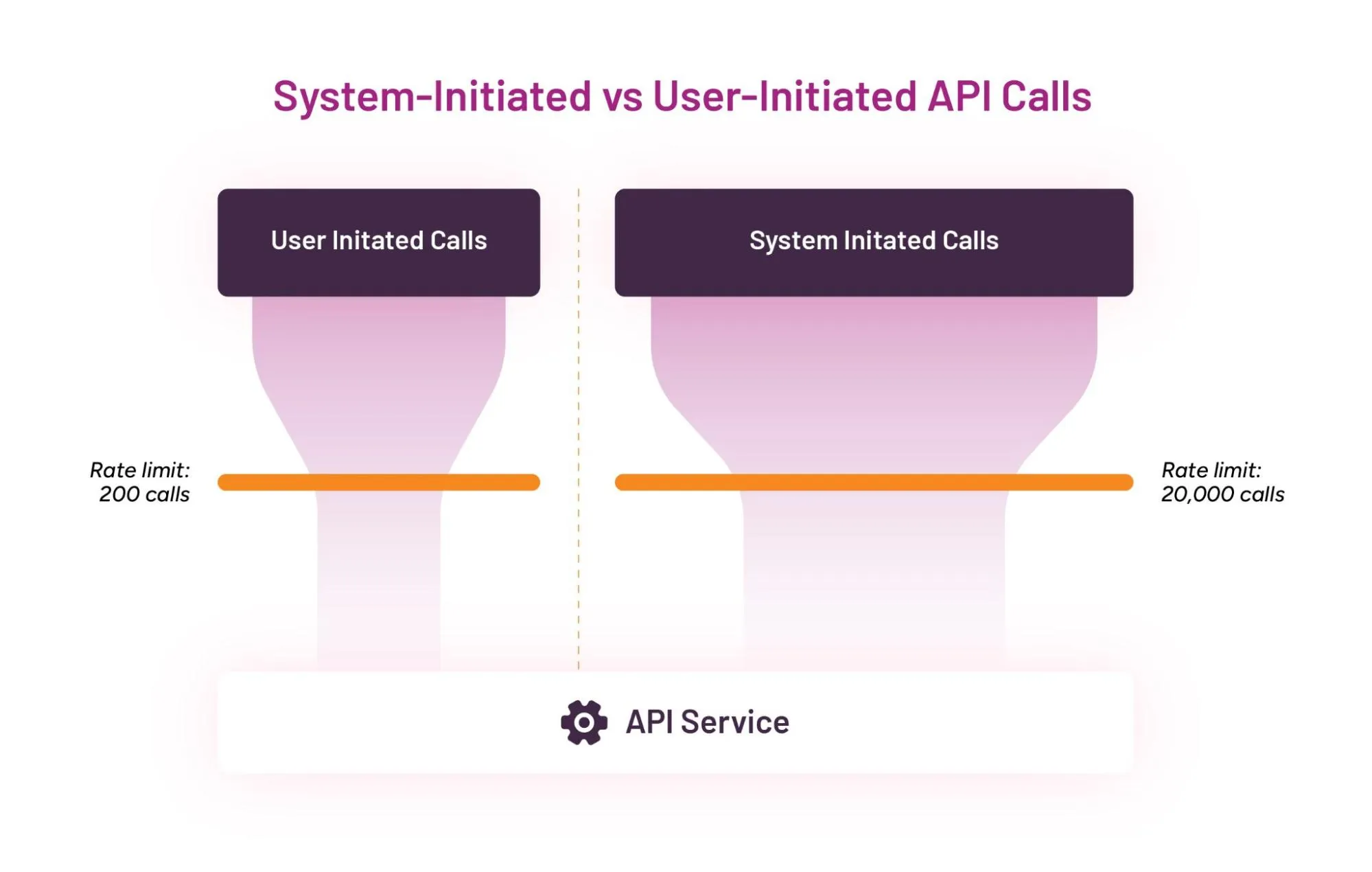
These guidelines demand real-time operational control, insight, and actionability, which is precisely what VuNet’s Business Observability Platform enables.Here is how Banks/PSPs can leverage Observability (especially in the audit report banks have to submit back to the nodal agency)1. Banks can configure alerts when
- TPS approaches 80% of the cap (early warning).
- Retry rates are abnormally high (could indicate abuse or failure loops).
- A single app or user is approaching limits.
2. Requires regular submission of reports around API usage. Observability platforms:
- Can persist and roll up historical data to report:
3. If the enforcement is done via rate-limiter middleware or a throttling queue, the observability layer can show:
- How many requests are being allowed vs rejected per rule?
- Which rules are being triggered most often?
- If users are being backed off properly during overload (e.g., retries suppressed after X attempts).
- Audit Use: Helps regulators understand if enforcement is active and effective, not just configured
Here’s a breakdown of the most relevant guidelines and how VuNet helps address them:
How Business Observability Helps You Navigate New API Guidelines
Why Compliance in the UPI Ecosystem Is Not Optional
Non-compliance with these API guidelines carries real business consequences: from penalties to access restrictions to reputational risk. But beyond compliance, resilient API operations are foundational to customer trust, whether it’s a high-value merchant payout or a simple balance check.VuNet’s observability layer helps banks detect, react, anticipate, and optimize, shifting from reactive firefighting to proactive governance.
Conclusion: Observability Is the New Compliance Ally
As UPI matures into a public digital utility, operational excellence will depend on deep observability, smart controls, and business-aligned insights. The new guidelines on instant payments reflect this shift.At VuNet, we work with leading banks to power real-time observability into every transaction, API call, and system component—ensuring they remain compliant, performant, and trusted in an always-on digital economy.